


 LIPOELASTIC TEAM
 Losing weight is one of the most positive changes you can make for your health - whether through diet and exercise or with medical support such as GLP-1 medications. But for many people, it comes with an unexpected concern: loose or sagging skin.
Understanding why it happens puts you back in control. And there's more you can do to support your skin through the process than most people realise.
.png)
What Happens to Your Skin When You Lose Weight
Your skin is a living, elastic organ that adapts to your body's changing shape. When you gain weight, it stretches to accommodate the increase in volume. The problem is that over time, that stretching can compromise its ability to bounce back and when the weight comes off, the skin doesn't always follow at the same pace.
There are three key reasons for this:
Elasticity
Think of skin elasticity like a rubber band. Up to a point, it snaps back. But stretch it too far for too long, and it loses that tension. The more significant the weight gain and the longer it's been in place, the harder it becomes for the skin to fully retract.
Collagen Decline
Collagen and elastin are the proteins that keep skin firm and resilient. When their levels decline through ageing, lifestyle, or the physical stress of weight fluctuation - the skin becomes less capable of adapting. Less collagen means less bounce-back.
The Age Factor (40+)
From our late twenties, collagen production begins to slow down. By our forties, the skin's ability to retract after weight loss is noticeably more limited - which is why loose skin tends to be more pronounced the older we are when we lose weight.
Why Rapid Weight Loss Changes Everything
Not all weight loss is the same when it comes to your skin and the speed at which the weight comes off can make a significant difference to what you're left with.
Skin Lag
Fat loss - especially when accelerated by GLP-1 medications can happen quickly. Skin adaptation is a far slower process. When weight loss outpaces the skin's ability to contract and remodel, looseness and sagging are the result. For those losing weight rapidly, this gap can be especially pronounced, making proactive skin support all the more important.
Faster Fat Loss vs Slower Skin Adaptation
Gradual, sustainable weight loss gives the skin more time to adapt alongside the body. Rapid loss doesn't offer that window - which is why visible sagging tends to be more common after fast or significant weight reduction.
Can You Actually Support Your Skin During Weight Loss?
Yes - but with realistic expectations. You can't completely prevent loose skin, particularly with significant weight loss or later in life. What you can do is support your comfort, skin care routine, and overall wellbeing during the process. Think of it as working with your body, not against it.
.png)
4 Ways to Support Your Skin
1. Nutrition Matters
Protein, vitamin C, vitamin E, and zinc all contribute to general nutrition and overall skin health. Some people also choose collagen supplements as part of their wider wellness routine during periods of body change.
2. Stay Hydrated
Well-hydrated skin is more supple and better equipped to adapt to physical change. Consistency matters more than catching up - make it a daily habit rather than an occasional effort.
3. Movement
Staying active during weight loss can support overall wellbeing and help you feel better in your body as it changes. Regular movement such as walking, swimming, yoga, or other exercise you enjoy can also be a helpful part of a consistent self-care routine.
4. Compression
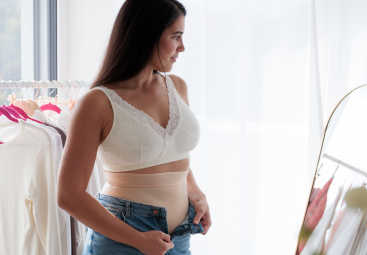
As your body changes shape, a little extra support can go a long way. Light, everyday compression helps stabilise the skin and underlying tissue during the transition - reducing that uncomfortable sensation of looseness, improving how you feel in your clothes, and giving you the confidence to keep going while your body continues to adapt.
Discover everyday shapewear designed for comfort and confidence during body changes.
.jpg)
Note: This content is for general informational purposes only and is not medical advice. Our products are not intended to diagnose, treat, cure, or prevent any disease. Individual experiences may vary. If you have concerns about loose skin, rapid weight loss, or medication-related changes, seek advice from a qualified healthcare professional.
Internal Link
Looking for a practical routine you can follow daily? Read our guide on How to Support Your Skin During Weight Loss
References
- Al-Atif, H. (2022). Collagen Supplements for Aging and Wrinkles: a Paradigm Shift in the Field of Dermatology and Cosmetics. Dermatology Practical & Conceptual, [online] 12(1), p.e2022018. doi:https://doi.org/10.5826/dpc.1201a18.
- Baumann, L., Bernstein, E.F., Weiss, A.S., Bates, D., Humphrey, S., Silberberg, M. and Daniels, R. (2021). Clinical Relevance of Elastin in the Structure and Function of Skin. Aesthetic Surgery Journal Open Forum, [online] 3(3). doi:https://doi.org/10.1093/asjof/ojab019.
- Lamberg, E. (2025). Explaining Skin Laxity After a Patient’s Drastic GLP-1 Medication Weight Loss. [online] Medscape. Available at: https://www.medscape.com/viewarticle/explaining-skin-laxity-after-patients-drastic-glp-1-2025a1000w0t
- Oizumi, R., Sugimoto, Y. and Aibara, H. (2024). The Potential of Exercise on Lifestyle and Skin Function: Narrative Review. JMIR Dermatology, [online] 7(1), p.e51962. doi:https://doi.org/10.2196/51962.
- Reilly, D.M. and Lozano, J. (2021). Skin collagen through the lifestages: importance for skin health and beauty. Plastic and Aesthetic Research, [online] 8(2). doi:https://doi.org/10.20517/2347-9264.2020.153.
- Rocha, R.I., Junior, W.C., Modolin, M.L.A., Takahashi, G.G., Caldini, E.T.E.G. and Gemperli, R. (2021). Skin Changes Due to Massive Weight Loss: Histological Changes and the Causes of the Limited Results of Contouring Surgeries. Obesity Surgery, [online] 31(4), pp.1505–1513. doi:https://doi.org/10.1007/s11695-020-05100-3.
- Rodrigues, L., Palma, L., Tavares Marques, L. and Bujan Varela, J. (2015). Dietary water affects human skin hydration and biomechanics. Clinical, Cosmetic and Investigational Dermatology, [online] 8(8), p.413. doi:https://doi.org/10.2147/ccid.s86822.





 England



 Wales
Wales
 Scotland
 Northern Ireland
 Ireland
 United States of America
