


 LIPOELASTIC TEAM
 Weight loss can bring meaningful health benefits, but it also places new demands on the skin. As body composition changes, the skin must adapt to reduced volume, altered tension, and shifts in underlying tissue structure. Understanding how the skin responds and what may help support it, can be an important part of navigating this transition comfortably.
(5).png)
Why Skin Changes During Weight Loss
Skin is a complex, living organ that relies on collagen, elastin, hydration, blood flow, and mechanical support to maintain its structure. During weight loss, especially when it is rapid or significant, the skin may not always contract at the same pace as the reduction in fat mass.
Factors that can influence how the skin responds include:
- the speed and amount of weight loss
- age and baseline skin elasticity
- genetics
- duration of prior weight gain
- overall nutritional status
As a result, skin changes vary widely between individuals.
Common Skin Changes During Weight Loss
During or after weight loss, some people report:
- reduced skin firmness or elasticity
- areas of looser-feeling skin
- changes in skin texture or comfort
- changes in the appearance of cellulite, such as increased visibility or altered texture
- differences in how clothing fits or feels on the body
These changes reflect natural physiological responses to volume loss, connective tissue adaptation, and tissue remodelling. In the case of cellulite, changes in underlying fat volume and skin tension may make existing structural characteristics more noticeable. Such changes are common during weight fluctuations and are not an indication that something is “wrong.”
Supporting Skin Comfort and Firmness During Weight Loss
While no approach can override individual biology, several supportive strategies are commonly discussed in relation to skin comfort and adaptation during weight change.
Hydration and Nutrition
Adequate hydration and balanced nutrition play a role in maintaining normal skin function. Nutrients such as protein, vitamin C, zinc, and copper are involved in collagen formation and connective tissue maintenance under normal physiological conditions.
► Discover how and why we developed our own collagen blend in:
Collagen Supplements: Why We Developed Our Own
Movement and Circulation
Regular movement supports blood circulation and lymphatic flow, which are important for skin nourishment and overall tissue health.
► To know more, explore: The Lymphatic System Explained: Why It Matters for Skin, Circulation, and Everyday Wellness
.jpg)
Compression Therapy
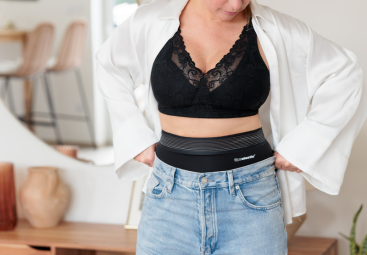
Compression therapy is widely used in medical and post-surgical contexts to provide external support to soft tissues. Research indicates that appropriately applied compression can help support circulation and tissue adaptation, which may contribute to skin comfort and elasticity during periods of physical change.
*The use of compression depends on individual needs and should be guided by professional advice.
► To know more, explore: The Science Behind Compression Therapy
When Individual Advice Matters
Skin responses to weight loss are highly individual. Factors such as medical history, age, and the pace of weight change all influence outcomes. Seeking advice from qualified healthcare professionals can help ensure that supportive measures are appropriate and aligned with individual needs.
Further Reads
- Beyond Cellulite: Why Circulation & Skin Wellness Matter More
- Plastic Surgery After Weight Loss: An Overview of Commonly Discussed Procedures
(5).png)
References
- Proksch, E., Segger, D., Degwert, J., Schunck, M., & Zague, V. (2014). Oral supplementation of specific collagen peptides has beneficial effects on human skin physiology. Skin Pharmacology and Physiology, 27(1), 47–55.
- Schunck, M., Zague, V., Oesser, S., & Proksch, E. (2015). Dietary collagen peptides improve skin elasticity and hydration. Journal of Medical Nutrition & Nutraceuticals, 4(1), 1–6.
- Partsch, H., & Mosti, G. (2008). Compression therapy of the extremities. European Journal of Vascular and Endovascular Surgery, 35(1), 109–115.
- O’Meara, S., Cullum, N., Nelson, E. A., & Dumville, J. C. (2012). Compression for venous leg ulcers. Cochrane Database of Systematic Reviews.
- Rossi, A. B. R., & Vergnanini, A. L. (2000). Cellulite: A review. Journal of the European Academy of Dermatology and Venereology, 14(4), 251–262.





 England



 Wales
Wales
 Scotland
 Northern Ireland
 Isle of Man
