


 LIPOELASTIC TEAM
 June marks Lipoedema Awareness Month, an important opportunity to raise visibility around a condition that remains widely misunderstood, under-recognised and, for many patients, emotionally exhausting.
.jpg)
Lipoedema is a chronic disorder of fat distribution that most commonly affects women and typically causes disproportionate enlargement of the legs, hips, thighs, buttocks and sometimes the arms. The NHS describes lipoedema as a condition that causes abnormal build-up of fat, usually in the lower body, and notes that affected areas may feel painful, heavy or tender.
For many patients, the hardest part is not only the physical discomfort. It is the years of being told to diet harder, exercise more, or accept that their body shape is simply their fault.
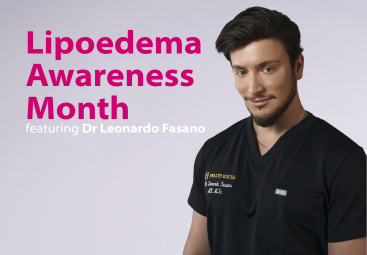
For Dr Leonardo Fasano, a body-contouring expert with a specialist interest in liposuction and body sculpting, this is one of the most important messages to communicate during Lipoedema Awareness Month:
“Many women with lipoedema have spent years feeling blamed for something they could not fully control. The first step is proper recognition. Once a patient understands that lipoedema is a medical condition, not a personal failure, the conversation changes completely.”
What is lipoedema?
Lipoedema is a chronic condition involving abnormal fat accumulation, most often affecting the lower limbs. It is sometimes referred to as “painful fat syndrome” because the affected tissue can be painful, tender, heavy or easily bruised.
Although each patient is different, lipoedema commonly affects the thighs, hips, buttocks, knees, calves, ankles, and sometimes the upper arms. One of the classic features is disproportion, where the lower body appears significantly larger than the upper body.
Lipoedema can also become more noticeable or symptomatic around hormonal changes such as puberty, pregnancy, perimenopause, or menopause.
♡ New to lipoedema? Learn more about symptoms, diagnosis and treatment options in Health Excel’s lipoedema resource centre
Common symptoms of lipoedema
Lipoedema can present differently from one patient to another, but common symptoms include disproportionate fat accumulation, pain or tenderness, heaviness, swelling, easy bruising, and frustration when diet and exercise do not significantly change the affected areas.
The emotional impact should not be underestimated. Many patients describe feeling ashamed, dismissed, or misunderstood long before they receive a diagnosis.
♡ Wondering whether your symptoms could be lipoedema? Learn more about the common signs and when to seek specialist advice.
Lipoedema vs obesity: why the distinction matters

One of the most common misconceptions is that lipoedema is the same as obesity. It is not.
Obesity and lipoedema can coexist, and weight management may still be important for overall health. However, lipoedema-affected fat often behaves differently from ordinary weight gain. Patients may lose weight from the face, chest, waist, or upper body while the legs, thighs, hips, or arms remain disproportionately enlarged. This can be deeply distressing. A patient may be exercising regularly and eating well yet still feel that the affected areas do not respond in the way they have been told they “should”.
Dr Leonardo Fasano explains:
“A key part of assessing lipoedema is listening to the patient’s history. Has the fat distribution changed around hormonal events? Is there pain or tenderness? Is there easy bruising? Does the lower body remain disproportionately enlarged despite weight loss? These details matter because they help distinguish lipoedema from ordinary fat distribution.”
This distinction is important because a patient with lipoedema may need a different management plan from someone seeking cosmetic fat reduction alone.
♡ Many patients are initially told their symptoms are caused by weight gain or cellulite. Learn more about the differences here:
- Lipoedema Facts vs Myths: Understanding the Truth Behind the Condition
- Lipoedema vs Cellulite: What’s the Difference and Why It Matters
Why lipoedema is often missed
Lipoedema is still frequently misdiagnosed or dismissed. Patients may be told they have simple weight gain, cellulite, lymphoedema, fluid retention or poor lifestyle habits.
There are several reasons for this:
First, lipoedema is still not widely understood outside specialist circles. Secondly, it often develops gradually, so patients may be told for years that their body shape is genetic or weight-related. Thirdly, because it mainly affects women, many patients describe feeling that their symptoms have not been taken seriously.
Lipoedema UK, a charity founded in 2012, states that its mission is to help patients obtain a diagnosis and increase research into effective treatments.
Early recognition matters because it allows patients to access support, understand their condition and make informed decisions before symptoms become more physically and emotionally limiting.
The role of compression in lipoedema care
.png)
Compression garments can play an important role in lipoedema management. They may help reduce discomfort, support tissue, assist with swelling control and improve day-to-day confidence for some patients. The NHS includes compression stockings or bandages among the treatment options that may help reduce pain and discomfort and make walking easier.
For many patients, compression is not only about symptom control. It is about feeling supported.
This is where specialist garment design matters. A garment must be appropriately fitted, comfortable enough to wear consistently, and suitable for the patient’s body shape and treatment stage.
LIPOELASTIC has developed a wide range of compression and post-operative garments, including options designed for lipoedema and post-liposuction recovery.
Dr Fasano notes:
“Compression is not a minor detail. In body-contouring and lipoedema surgery, the garment is part of the treatment journey. The right compression can support healing, reduce swelling and help the patient feel more secure during recovery.”
♡ Different stages of the lipoedema journey may require different types of compression. Learn more here: Lipoedema Leggings: Which Ones Should I Choose?
Conservative management: what can help?
Not every patient with lipoedema will need surgery, and not every patient will be ready for surgery. Conservative management is often the first step and may include:
- appropriate compression garments
- regular low-impact movement
- strength training where tolerated
- swimming or water-based exercise
- manual lymphatic drainage
- healthy, anti-inflammatory nutrition
- maintaining a healthy weight (where possible as part of a balanced lifestyle)
- skin care
- psychological support if the condition affects confidence, body image or mood
These measures may not remove lipoedema fat, but they can help some patients manage symptoms, improve function and feel more in control.
It is important to avoid framing conservative management as “just lose weight”. Patients with lipoedema have often heard this repeatedly, and it can feel dismissive. A more constructive approach is to focus on function, comfort, symptom control and long-term health.
♡ One of the most common questions patients ask is whether lipoedema can be reversed. Learn more about long-term management and treatment options.
When is surgery considered?
For some patients, conservative measures are not enough. When lipoedema causes significant pain, heaviness, disproportion, reduced mobility or emotional distress, surgical treatment may be considered.
Liposuction for chronic lipoedema has been reviewed by NICE in the UK. NICE’s interventional procedures guidance on liposuction for chronic lipoedema was published in March 2022. NICE describes the aim of liposuction for lipoedema as reducing limb bulk, reducing pain and improving mobility and function.
In carefully selected patients, specialist liposuction may help reduce the volume of lipoedema-affected tissue. However, it is not a cure, not a weight-loss operation and not a shortcut around healthy lifestyle measures.
Dr Leonardo Fasano explains:
“The surgical conversation has to be honest. Liposuction can be very helpful for selected lipoedema patients, but it must be approached as a medical body-contouring procedure with realistic expectations. The aim is not perfection, but improvement in volume, shape, comfort and quality of life where appropriate.”
♡ For patients exploring whether surgery may be appropriate, learn more about Dr Leonardo Fasano’s approach to lipoedema assessment and treatment at Health Excel.
Why specialist assessment is essential
Lipoedema surgery is not the same as standard cosmetic liposuction.
A proper assessment should consider:
- whether the patient’s symptoms are consistent with lipoedema
- the stage and distribution of the condition
- skin quality and elasticity
- swelling and possible lymphatic involvement
- pain and bruising history
- body weight and general health
- previous treatments
- expectations and psychological readiness
- whether surgery is likely to improve symptoms, contour or both
- whether staged procedures may be safer or more appropriate
In some patients, excess skin may also be present. Liposuction can reduce volume, but it cannot remove large amounts of loose skin. This is an important distinction, especially in patients who have had major weight changes or more advanced tissue laxity.
Dr Leonardo Fasano adds:
“A good consultation should never simply be about whether fat can be removed. It should also include whether the treatment is appropriate, what improvement is realistically achievable, and what limitations the patient needs to understand before making a decision.”
The importance of expectation management
Patients with lipoedema often arrive at consultation after years of disappointment. They may have tried diets, exercise plans, massages, compression, personal training, lymphatic treatments and multiple opinions. Many are understandably desperate for change.
That makes expectation management even more important.
Surgery may improve shape, reduce bulk and help symptoms in selected cases, but patients must understand that:
- lipoedema is chronic
- surgery may need to be staged
- compression is usually required after surgery
- swelling can take time to settle
- skin quality affects the final contour
- results vary between patients
- long-term maintenance still matters
- surgery does not replace healthy habits or ongoing self-care
A responsible surgeon should be clear about both the potential benefits and the limitations.
Post-operative recovery and compression after lipoedema liposuction
After lipoedema liposuction, compression is commonly used to support recovery. The exact garment type and duration should be guided by the treating clinician, depending on the treated areas, surgical technique, swelling, skin quality and individual patient needs.
Post-operative garments may help support tissues, reduce swelling and improve comfort during healing. LIPOELASTIC highlights the importance of pressure, comfort, shape, fit and sizing when choosing compression garments.
For patients, this is not just a practical matter. Garments need to be wearable. If a garment is uncomfortable, poorly fitted or unsuitable for the patient’s body shape, compliance becomes harder.
Dr Leonardo Fasano explains:
“The best garment is not always the tightest. It is important to ensure it provides appropriate support without causing avoidable discomfort, restriction or pressure problems. Fit matters enormously.”
♡ Not sure how to choose the right garment? How to Measure for Lipoedema Compression Garments
.jpg)
Why awareness changes lives
Lipoedema Awareness Month goes beyond naming a condition. It exists so that we can change the way patients are treated.
Awareness helps patients understand that their symptoms are real. It helps clinicians recognise patterns earlier. It helps families, partners and employers understand that lipoedema can affect mobility, pain, clothing, confidence, and emotional wellbeing.
Most importantly, it helps replace blame with proper care.
For many patients, simply hearing “this is not your fault”, and the reasons why it isn't, can be transformative.
When should someone seek specialist advice?
A specialist consultation with Doctors such as Dr Fasano may be helpful if someone experiences:
- painful or tender fat in the legs, hips, thighs or arms
- disproportionate lower-body enlargement
- easy bruising
- heaviness or swelling in the limbs
- fat that does not respond normally to weight loss
- worsening symptoms around hormonal changes
- difficulty walking, exercising, or fitting clothing
- emotional distress linked to body shape or symptoms
A consultation does not commit a patient to surgery. It is an opportunity to understand what may be happening, what options are available and what type of management plan may be appropriate.
Final thoughts from Dr Leonardo Fasano
“Lipoedema patients deserve to be listened to properly. They deserve a medical conversation that recognises pain, disproportion, bruising, swelling, tissue quality and lived experience. For some patients, conservative management is the right path. For others, surgery may form part of a broader treatment plan. The most important thing is that patients are assessed carefully and treated with honesty, respect and realistic guidance.”
This June, during Lipoedema Awareness Month, the message is simple:
♡ Painful, disproportionate fat is not always just weight gain.
♡ Patients deserve recognition, support and specialist care.
And, remember: ♡ You don’t have to navigate lipoedema alone.
If you are experiencing symptoms of lipoedema or would like to discuss your treatment options, Dr Leonardo Fasano provides specialist assessment and personalised treatment plans through Health Excel.
References
- NHS. (n.d.). Lipoedema. Available at: https://www.nhs.uk/conditions/lipoedema/
- National Institute for Health and Care Excellence (NICE). (2022). Liposuction for chronic lipoedema (IPG723). Available at: https://www.nice.org.uk/guidance/ipg723
- Lipoedema UK. (n.d.). About Lipoedema. Available at: https://lipoedema.co.uk





 England


 Wales
Wales
 Scotland
 Northern Ireland
 Isle of Man
