


 LIPOELASTIC TEAM
Cellulite is recognised around the world, but not every medical and wellness tradition explains it in the same way. Western medicine looks at the structure beneath the skin. Traditional Chinese Medicine speaks about stagnation and the movement of fluids, while Ayurveda considers balance, metabolism and body tissues.
These are fundamentally different frameworks, not different scientific names for the same process. Yet when we look at the everyday practices associated with them, some interesting similarities begin to appear.
What does Western medicine say about cellulite?
Western medicine describes cellulite as a structural change in the appearance of the skin.
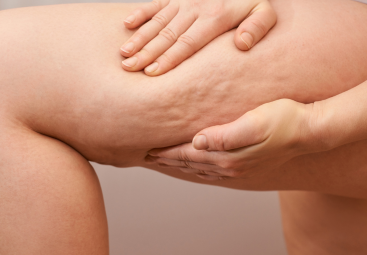
Fibrous connective bands attach the skin to the tissue below, with fat cells positioned between them. When the fat pushes upwards while the bands pull downwards, the surface may develop the characteristic dimples associated with cellulite.
Its visibility can also be influenced by:
- Genetics
- Hormones
- Age and skin elasticity
- Body composition
- Skin thickness
- Muscle tone
Cellulite is extremely common, particularly in women, and can appear regardless of weight or fitness level. It is a cosmetic characteristic rather than a disease.
Modern approaches focus on improving its appearance rather than treating it. These may include regular exercise, strength training, massage, skincare and professional cosmetic procedures. However, no method can guarantee permanent removal.
For a more detailed scientific explanation, read What Causes Cellulite and Why It’s More Common Than You Think.
What does Traditional Chinese Medicine say?
Traditional Chinese Medicine, commonly known as TCM, uses a very different system for understanding the body. Rather than examining cellulite as an isolated structural feature, it considers broader patterns affecting energy, circulation and fluid balance.
In contemporary TCM interpretations, the appearance of cellulite is sometimes associated with:
- An accumulation of “dampness”
- Stagnation of qi and blood
- Reduced transformation and movement of fluids
- An imbalance involving the functions traditionally attributed to the Spleen system
These terms belong specifically to TCM and do not correspond directly to biomedical diagnoses or anatomical processes.
Traditional approaches may include movement, massage, gua sha, cupping, acupuncture, dietary adjustments or herbal preparations. Treatments are normally individualised according to the practitioner’s assessment rather than based on cellulite alone.
There is currently insufficient clinical evidence to conclude that these practices permanently reduce cellulite. Herbal treatments and acupuncture should always be discussed with a suitably qualified practitioner, particularly if you have an existing health condition or take medication.
How does Ayurveda understand cellulite?
Ayurveda is a traditional Indian system that considers health through the balance of the doshas, tissues, digestion and lifestyle.
Cellulite is not described as a distinct condition in the same way as it is in modern cosmetic medicine. Contemporary Ayurvedic interpretations may associate its appearance with:
- An imbalance of kapha dosha
- Meda dhatu, traditionally associated with fatty tissue
- Reduced agni, or metabolic and digestive activity
- Ama, traditionally understood as residue resulting from incomplete digestion or metabolism
As with TCM, these concepts are part of a traditional health framework and should not be presented as scientifically established causes of cellulite.
Ayurvedic-inspired approaches may include regular movement, massage with oils, dry massage or brushing, dietary routines and practices intended to support warmth and balance.
Evidence that these approaches permanently change cellulite remains limited. However, practices such as movement, massage and regular body care may offer broader wellbeing or temporary cosmetic benefits.
Where do the three perspectives overlap?
The explanations are very different, but several practical themes appear across them:
- Regular movement
- Massage or mechanical stimulation
- Movement and physical stimulation
- Consistent body care
- Attention to lifestyle rather than quick fixes
This does not mean that Western medicine confirms the concepts of qi, dampness, doshas or ama. It simply shows that different traditions may arrive at some similar everyday practices through very different explanations.
The most responsible approach is to remain curious about traditional perspectives while being clear about the difference between cultural health frameworks and clinically established evidence.
%20(1).jpg)
Where can compression leggings fit?
Compression leggings do not correct an energetic imbalance, remove ama or treat the structural cause of cellulite. However, thoughtfully designed leggings can complement some of the practical themes shared across these perspectives - particularly movement, massage and consistent care.
FLOW leggings combine gentle compression with a textured 3D fabric that massages the skin as you move. They support circulation and lymphatic flow and may contribute to a smoother-looking skin appearance.
MOTION leggings offer light compression and contain bioactive minerals that work with the body’s natural heat. The FIR material supports microcirculation and may contribute to improved skin elasticity and a smoother-looking appearance during movement and rest.
Neither product is an overnight cellulite treatment. They are designed as wearable body-care tools that can become part of a regular routine.
To understand what compression leggings can realistically do, read Can Compression Leggings Help with Cellulite? The Honest Answer
Three perspectives, one realistic conclusion
Cellulite is normal, and no single tradition offers a guaranteed permanent solution.
Western medicine, TCM and Ayurveda understand the body in fundamentally different ways. But they each remind us - through their own language - that body care is rarely about one dramatic intervention.
Movement, massage and consistency may not eliminate cellulite, but they can support the way your legs and skin look and feel. The goal is not perfection. It is finding a routine that works naturally for you.
References
- Gabriel A, Chan V, Caldarella M, Wayne I, O’Rorke E. Cellulite: Current Understanding and Treatment. Aesthetic Surgery Journal Open Forum. 2023;5:ojad050. Read the review
- Hexsel D, Mazzuco R, Dal’Forno T, Zechmeister D. Cellulite: an update on pathogenesis and management. Clinics in Plastic Surgery. 2023. View on PubMed
- World Health Organization. Traditional, Complementary and Integrative Medicine. Read the WHO overview
- Wang Y, et al. Pathological characteristics of Traditional Chinese Medicine dampness syndrome. 2025. Read the article
- Jaiswal YS, Williams LL. A glimpse of Ayurveda: The forgotten history and principles of Indian traditional medicine. Journal of Traditional and Complementary Medicine. 2017;7(1):50–53. Read the article
- Agrawal AK, Yadav CR, Meena MS. Physiological aspects of Agni. Ayu. 2010;31(3):395–398. Read the article





 England


 Wales
Wales
 Scotland
 Northern Ireland
 United States of America
